Best SaaS SEO Tools in 2026: 9 Tools That Actually Move Pipeline
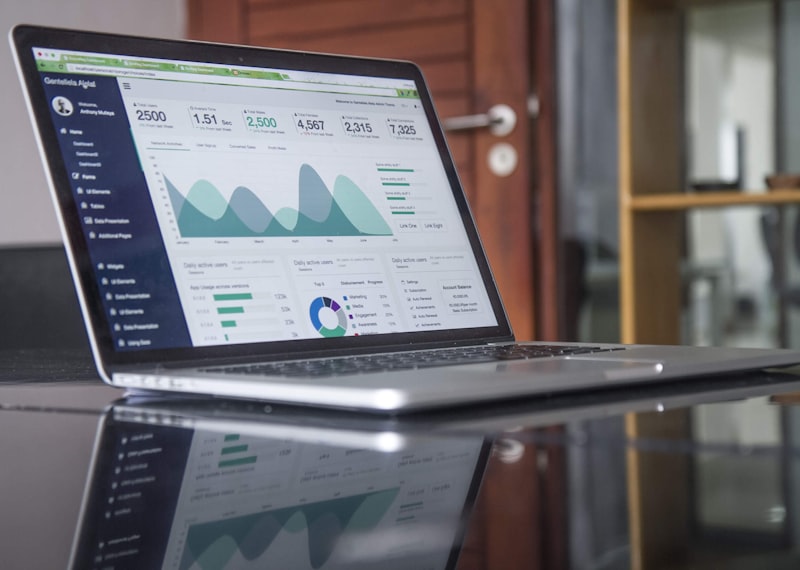
SaaS SEO isn't general SEO with a B2B coat of paint. The buyer journey is longer (14+ touchpoints), the pages that move pipeline are different (alternative-to-X, /vs comparisons, integration pages), and the queries that matter aren't the ones a generic SEO tool optimizes for. After running SEO across dozens of B2B SaaS clients, here's the toolkit that actually drives pipeline — not just rankings.
This list is opinionated and biased toward tools that produce revenue, not vanity metrics. If you're running SaaS SEO and your top metric is "ranked keywords," you're measuring the wrong thing. Pipeline-influenced organic visits is the metric that matters. The tools below all contribute to that. For tactical guidance specific to SaaS, our AI SEO for SaaS guide covers the workflow.
What SaaS SEO Actually Requires
Three things make SaaS SEO different from general SEO:
1. Bottom-funnel pages drive most pipeline. "[Competitor] alternative" pages, /vs comparison pages, integration pages, and feature pages convert at 5-10x the rate of top-of-funnel content. A SaaS SEO program weighted heavily toward TOFU is leaving the highest-value pages unbuilt.
2. AI search is now critical for category discovery. B2B buyers ask ChatGPT "best [category] tool for [use case]" before they Google it. If you're not cited in the AI answer, you've lost the deal at touchpoint 1 of 14. According to a 2025 6sense buyer study, 47% of B2B buyers used an AI assistant during their last vendor evaluation — and 78% of those said the AI's recommendations influenced their shortlist.
3. Tool stack consolidation matters more than features. SaaS marketing teams are small (often 1-5 people for a $5-20M ARR company). A tool that does 3 jobs at 80% quality often beats three tools at 100% quality each — because the marketing team can actually run it.
The 9 Tools, By Job
1. SEOintent — content generation + AI citation tracking + publishing. Built for B2B SaaS workflows: generates feature pages, integration pages, /alternative-to-X pages with schema, internal links, and Claude Sonnet quality. Tracks ChatGPT/Perplexity/Gemini citations. Publishes to WordPress + Webflow. Starts at $99/month. Best for SaaS teams of 1-10 marketing people who want one tool covering content + AI tracking. Compare it directly: vs Surfer, vs MarketMuse.
2. Ahrefs — keyword + backlink intelligence. The keyword research and backlink database is irreplaceable. $129-$449/month. The 80/20: use it for keyword research, competitor backlink analysis, and content gap analysis. Don't pay for Site Audit (most SaaS SEOs find Screaming Frog cheaper).
3. Semrush — alternative to Ahrefs, stronger on competitive analysis. Better for tracking competitor keyword movement and PPC overlap. $139-$499/month. Pick Ahrefs OR Semrush, not both — most teams find 90% feature overlap.
4. Screaming Frog — technical site audits. $259/year flat. Crawls your site, finds broken links, missing meta, schema errors, duplicate content. The cheapest tool that pays for itself. Run it monthly, fix what it surfaces.
5. Otterly.AI — pure AI citation tracking. $79/month. If you're not using SEOintent (which bundles AI tracking), you need a dedicated tracker. Otterly is the cleanest standalone option. See our LLM SEO tracking tool comparison for alternatives.
6. Google Search Console — free, mandatory. The data Google gives you about your own site. Tracks impressions, CTR, position, AI Overview appearances. Set up Performance Insights and the AI Overview report. Free. There's no excuse for not using it.
7. Wynter — message + landing page testing. $399/month. SaaS-specific message testing. Run your /vs/competitor page copy past ICP-matched panels before publishing. Saves you from shipping pages that rank but don't convert.
8. Clearbit / 6sense Reveal — visitor identification. Tells you which companies visited which content. $1,000+/month for the real tier. Game-changer for SaaS attribution: you can now answer "which content moved this deal" with data, not vibes. Skip if your ACV is under $5,000.
9. ChatGPT / Claude (direct API) — content brainstorming and outline. Free tier or $20/month. Use the LLMs directly for ideation, alternative angle generation, and rough outlining. Don't use them for production drafts (use SEOintent or another tool with schema + humanizer).
The Right SaaS SEO Stack
By company size:
Pre-PMF / under $1M ARR: SEOintent ($99) + Google Search Console (free) + ChatGPT direct ($20). Total: $119/month. Don't add more until you have product-market fit and can attribute revenue to organic.
$1-5M ARR: SEOintent ($99) + Ahrefs Lite ($129) + Screaming Frog ($22/month). Total: $250/month. Add backlink intelligence + technical audits.
$5-20M ARR: SEOintent Scale ($199) + Ahrefs Pro ($249) + Wynter ($399) + Clearbit Reveal ($999). Total: ~$1,850/month. Add message testing and visitor identification.
$20M+ ARR: Custom enterprise stack. Add MarketMuse for topical authority planning, Profound for AI search competitive intelligence, custom Hunter or Apollo integrations. Don't bother with most of this until you can actually use the data.
Pages That Drive SaaS Pipeline (Build These)
If you only build 5 SEO pages this quarter, build these:
1. /alternative-to-[your-biggest-competitor]. Highest-converting page on most B2B SaaS sites. Buyers searching "[Competitor] alternative" are mid-funnel and ready to switch.
2. /vs/[your-biggest-competitor]. Slightly different intent — buyer is comparing both, not necessarily switching. Comparison table + honest tradeoffs convert.
3. Integration pages (one per partner). [Your tool] + [Slack/Salesforce/HubSpot/Zapier] integration pages rank for low-competition long-tail queries and convert highly because intent is explicit.
4. /pricing — but optimized. Most SaaS pricing pages don't rank because they're thin. Add an FAQ section with 8-10 schema-tagged questions, ROI calculator, and competitor pricing comparison table.
5. ICP-specific landing page (e.g., /for-startups, /for-agencies). Same product, different audience framing. Each ranks for the audience's specific queries.
The reason these 5 win: they all target buyers in active evaluation, not casual researchers. Top-of-funnel content has its place but it shouldn't be where you start.
FAQ
What's the best SaaS SEO tool for a small team?
How is SaaS SEO different from eCommerce SEO?
How long does SaaS SEO take to show ROI?
Can I do SaaS SEO without an in-house writer?
What's the biggest mistake in SaaS SEO?
Building SaaS SEO that drives pipeline?
SEOintent Team
We build tools for AI-era SEO — search intent classification, keyword clustering, and AI citation tracking. Questions? hello@seointent.com
Ready to rank in Google and AI search?
SEOintent classifies keyword intent, builds content clusters, and tracks your AI citations — automatically.
Start free trial →